
Holiday Activities for Kids: Every Holiday in One Place
Holiday activities for kids keep every season fun, from Groundhog Day predictions in February to Pi Day pies in March and shark crafts in summer. This hub gathers simple crafts, games, and learning ideas for eight occasions, plus a year-round plan, so parents and teachers can find the right idea fast.
Groundhog Day Activities: Shadows, Predictions, and Winter Fun
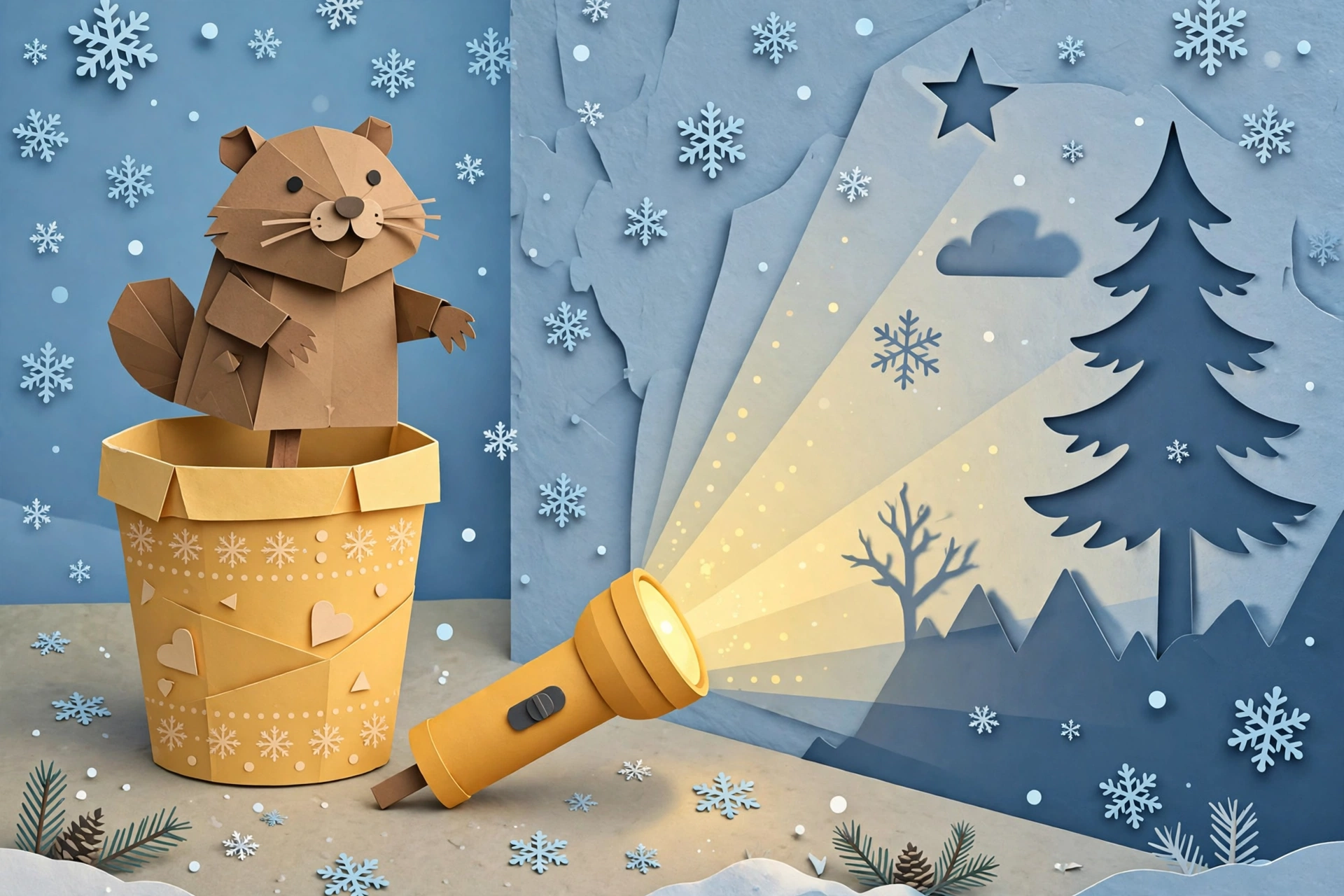
Groundhog Day falls on February 2. According to folklore, if the groundhog sees its shadow, winter lasts six more weeks; if not, spring comes early. Children love the prediction, the shadows, and the winter science.
Shadow Science Experiment
Shadows change with light and position. Test what makes a shadow grow, shrink, and move.
You need: Flashlight, toys, white paper, tape. Ages: 4–9.
- Tape paper to a wall and shine a flashlight at a toy.
- Move the toy closer and farther, and watch the shadow change.
- Trace the shadow shapes and compare sizes.
Prediction Chart and Vote
Let each child predict the groundhog’s forecast, then check the result together.
You need: Paper chart, markers, stickers. Ages: 4–6.
- Draw two columns: shadow and no shadow.
- Each child places a sticker to vote for a prediction.
- Check the forecast, mark the result, and cheer the closest guess.
Groundhog Paper Puppet
Make a groundhog that pops up from a paper burrow to deliver the forecast.
You need: Paper cup, brown paper, craft stick, glue, markers. Ages: 4–6.
- Cut a slit in the bottom of the cup and draw a groundhog on paper.
- Glue the groundhog to a stick and slide it through the slit.
- Pop the groundhog up and announce the prediction.
Veterans Day Activities: Thanking Veterans With Respect
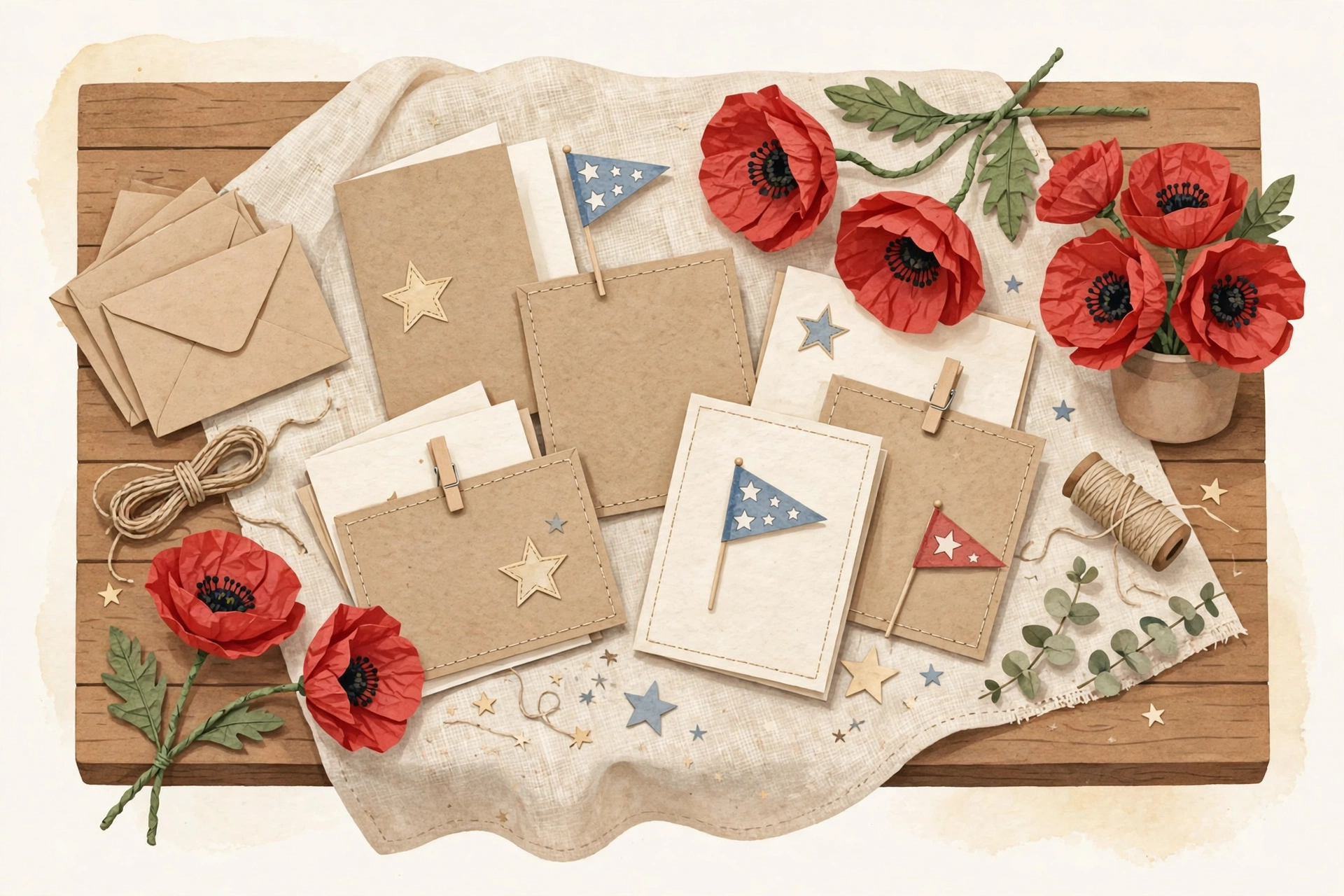
Veterans Day, on November 11, honors all who have served in the military. Keep the tone warm and respectful: thank veterans, learn about service, and listen to stories from veterans in your own family or community.
Thank-You Cards for Veterans
Handmade cards carry real thanks. Children can write, draw, and deliver cards with an adult.
You need: Cards or folded paper, pens, crayons, stickers. Ages: 4–9.
- Fold paper into cards and decorate the front with flags or stars.
- Write a short thank-you message inside, with help as needed.
- Deliver the cards with an adult to a veteran you know.
Red Poppy Craft
Red poppies are a symbol of remembrance. Tissue-paper poppies make a simple, respectful craft for display.
You need: Red and black tissue paper, green paper, glue, scissors. Ages: 4–9.
- Cut red tissue circles and layer three together.
- Scrunch the layers to form petals and glue on a black center.
- Add a green stem and display the poppies together.
Service Stories Reading Time
Read age-appropriate books about service and courage, then talk about what the stories teach.
You need: Age-appropriate books about veterans and service. Ages: 7–12.
- Read a story together and pause to ask questions.
- Talk about what service means and how families help.
- Write or draw one thing you learned to share at dinner.
Memorial Day Activities: Remembrance and Family Time
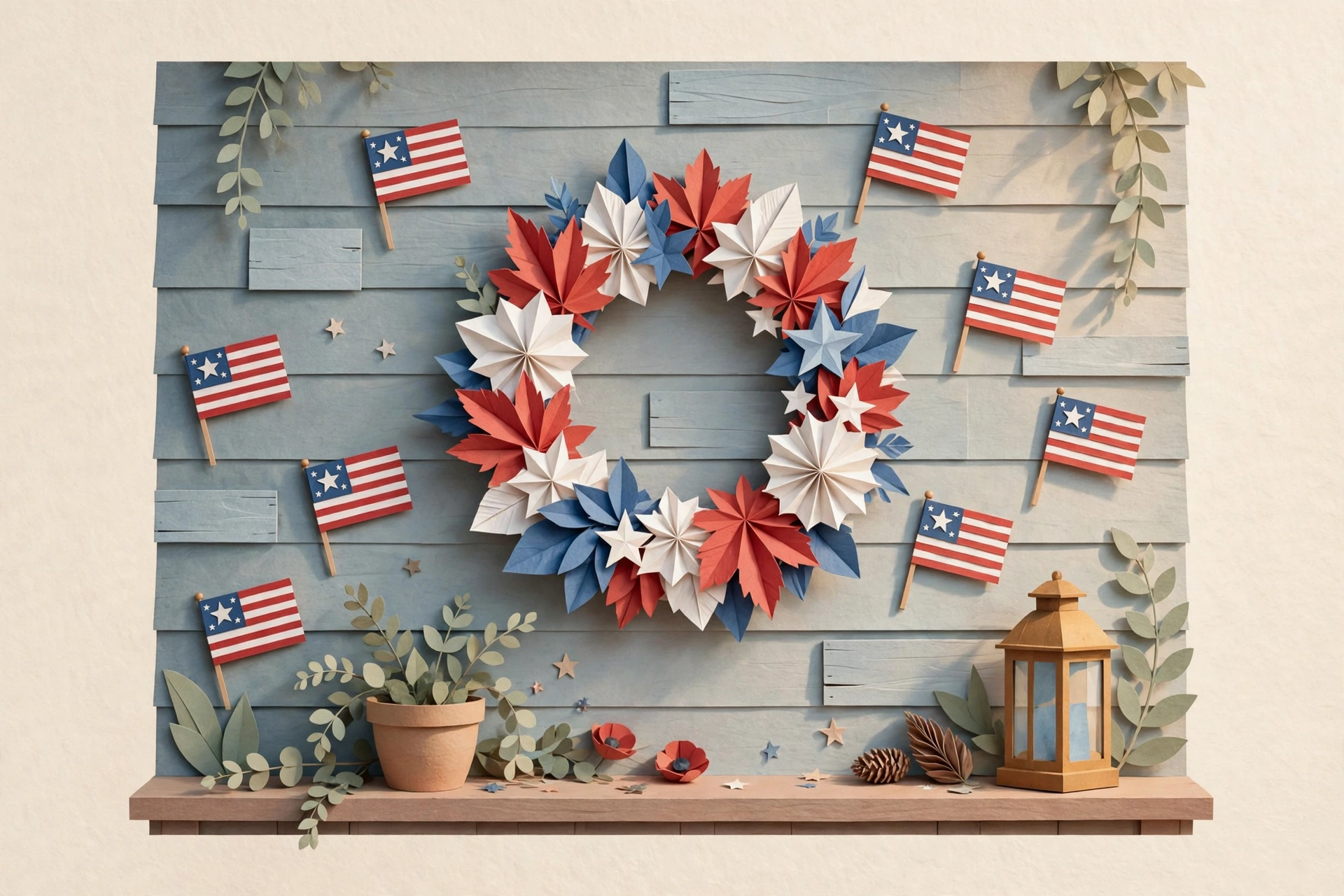
Memorial Day, on the last Monday in May, honors military members who died while serving. Begin with remembrance, then enjoy family time together. Keep the morning quiet and the afternoon relaxed.
Remembrance Wreath
A paper wreath in red, white, and blue gives children a hands-on way to honor the day.
You need: Paper plate, red, white, and blue paper, glue, scissors. Ages: 4–9.
- Cut the center from a paper plate to form a ring.
- Glue on paper stars, stripes, and flowers around the ring.
- Hang the wreath where the family can see it all weekend.
Moment of Remembrance
A short, quiet pause helps children understand the day. Keep it simple, calm, and brief.
You need: A quiet spot, a timer. Ages: 7–12.
- Gather the family and explain the pause in simple words.
- Observe one minute of silence together.
- Share one sentence each about gratitude or remembrance.
Family Picnic Games
After remembrance, enjoy the start of summer with simple outdoor games in a yard or park.
You need: Blanket, picnic food, soft ball, bubbles. Ages: 2–3, with an adult nearby.
- Set up a blanket and share a picnic lunch.
- Play gentle games: rolling a ball, blowing bubbles, and a short walk.
- Pack up together and head home for a rest.
Presidents Day Activities: History, Crafts, and Quizzes
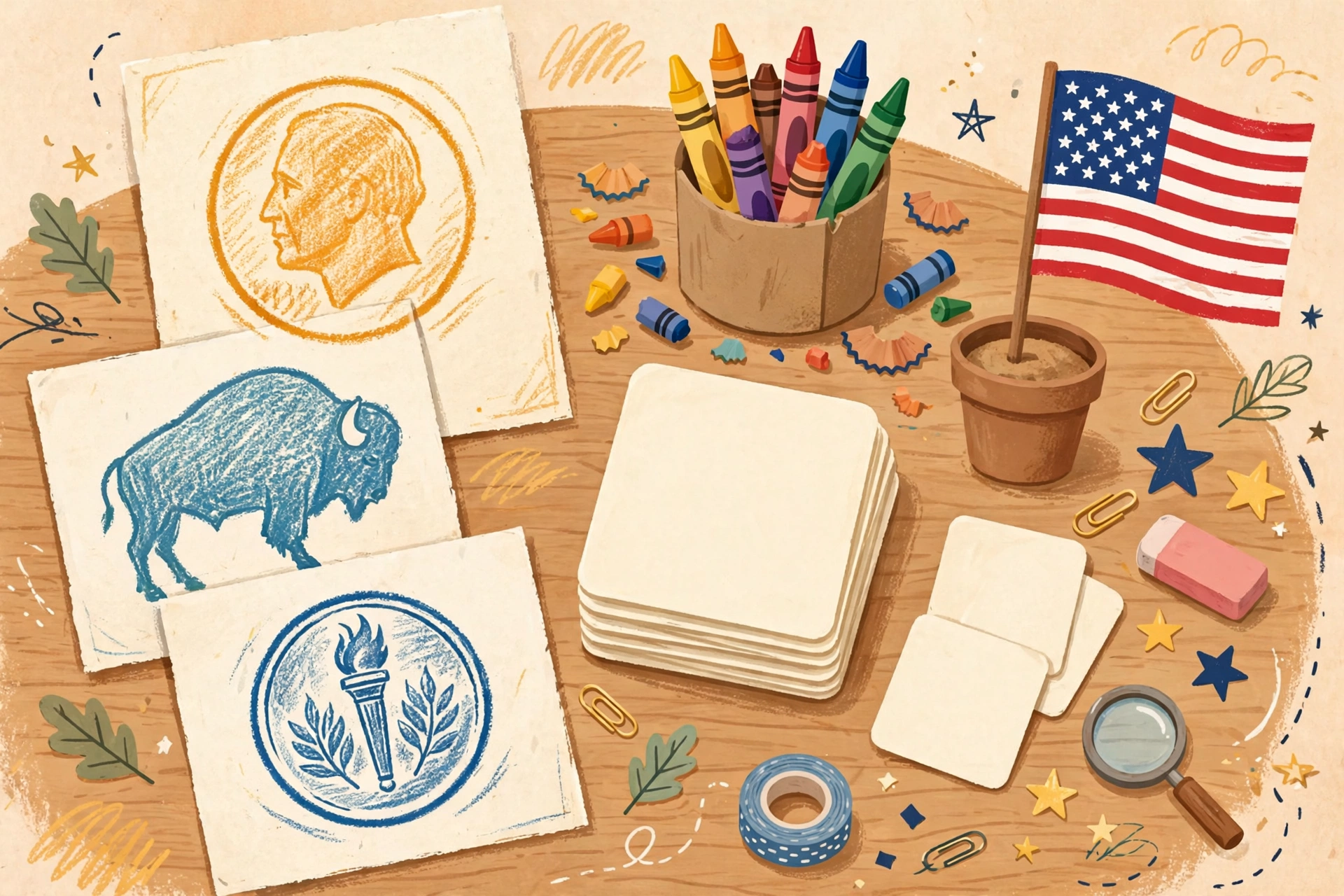
Presidents Day, on the third Monday in February, honors presidents of the United States, especially George Washington and Abraham Lincoln, whose birthdays fall in February. Coins, quizzes, and writing bring the history to life.
Coin Rubbings
Coins carry presidential portraits. Rubbings turn pocket change into a history lesson.
You need: Coins, thin paper, crayons. Ages: 4–9.
- Place a coin under thin paper and rub with the side of a crayon.
- Label each rubbing with the president shown and the coin’s value.
- Compare portraits and talk about what each president is known for.
Presidential Quiz Game
A family quiz works for mixed ages when questions range from easy to tricky.
You need: Question cards, pens, a small prize such as stickers. Ages: 7–12.
- Write ten questions about presidents, with an adult checking answers.
- Take turns asking and answering, with hints for younger players.
- Award a sticker for each correct answer and review the tricky ones.
If I Were President
Children write or draw what they would do as president, from helping schools to protecting parks.
You need: Paper, pens, crayons. Ages: 7–9.
- Brainstorm three ideas for helping the country.
- Write or draw one idea on each section of a poster.
- Share the poster and vote on a favorite family idea.
Labor Day Activities: Celebrating Workers and Late Summer
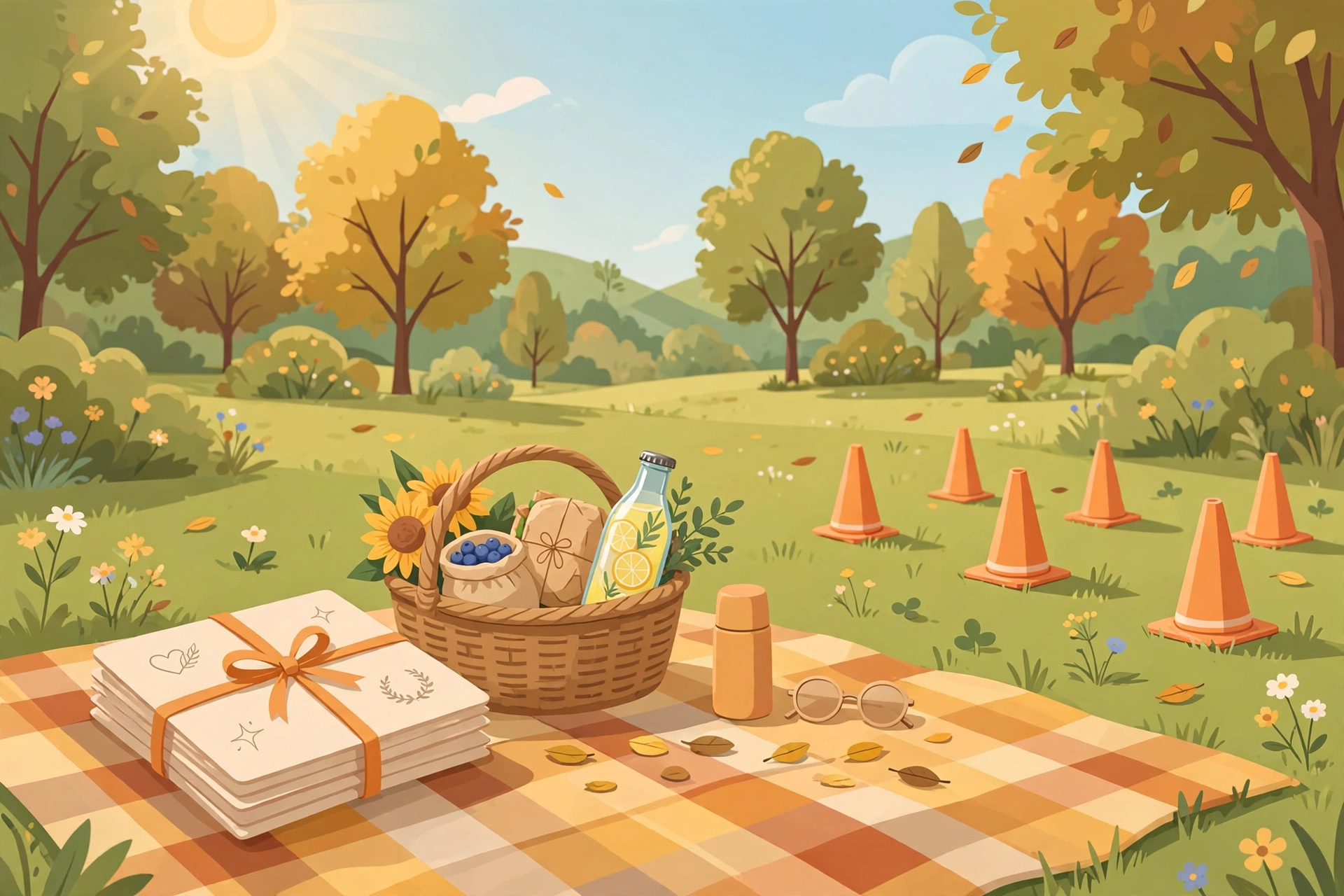
Labor Day, on the first Monday in September, honors workers and their contributions. It also marks the end of summer, so pair thank-you crafts with outdoor games and a picnic before school routines return.
Thank-a-Worker Cards
Cards for workers children see every day — mail carriers, librarians, bus drivers — teach gratitude in action.
You need: Cards or folded paper, pens, crayons. Ages: 4–9.
- List three workers your family sees often.
- Make a card for each one with a drawing and a thank-you note.
- Deliver the cards with an adult during the week.
Community Helpers Guessing Game
Act out jobs and guess them. The game teaches children what different workers do.
You need: Paper slips, a bowl. Ages: 4–6.
- Write job names on slips, such as baker, firefighter, and teacher.
- Draw a slip and act out the job without speaking.
- Guessers name the job, then the guesser goes next.
Late-Summer Picnic and Outdoor Games
Close out summer with a picnic, relay races, and water play in a yard or park.
You need: Blanket, picnic food, cones or markers, water toys. Ages: 4–12.
- Set up a picnic and a simple relay course with markers.
- Race in teams, then cool off with gentle water play.
- End with a snack and a round of favorite summer memories.
Pi Day Activities: Circles, Pies, and Math Games
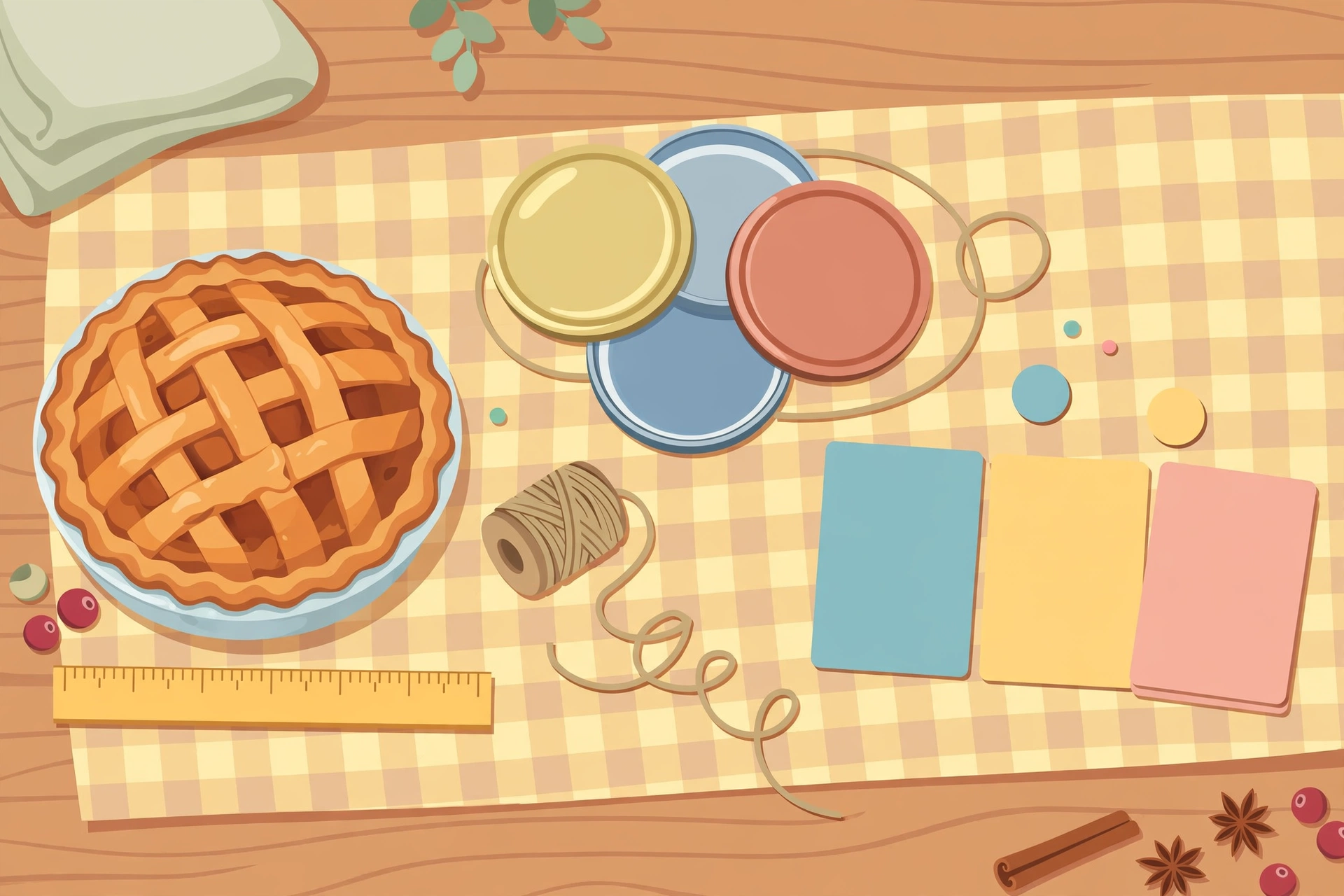
Pi Day falls on March 14, matching the first digits of pi, 3.14. It is a playful math holiday: measure circles, memorize digits, and share a pie. Keep the math light and the fun high.
Measure Circles
Pi links a circle’s distance around to its distance across. Measure real circles and see the pattern.
You need: String, ruler, round objects such as lids and plates. Ages: 7–12.
- Wrap string around each object and measure the length.
- Measure straight across each object through the center.
- Compare the two numbers and notice the around-number is always a bit more than three times the across-number.
Pi Digit Memory Game
How many digits of pi can your family memorize? Turn the challenge into a game with cards.
You need: Number cards, paper, pens. Ages: 10–12.
- Write the digits of pi, 3.1415926535, on cards in order.
- Mix the cards and rebuild the sequence from memory.
- Award a point for each correct digit in a row and try to beat the family record.
Bake a Pie Together
No Pi Day is complete without pie. Children measure, stir, and decorate while an adult handles the oven.
You need: A trusted family pie recipe and ingredients, a pie dish. Ages: 7–9, with an adult handling the oven.
- Measure ingredients together and mix the filling.
- Fill the pie dish and add a pastry pi symbol on top.
- An adult bakes the pie and removes it from the oven.
Shark Week Activities: Ocean Learning and Crafts
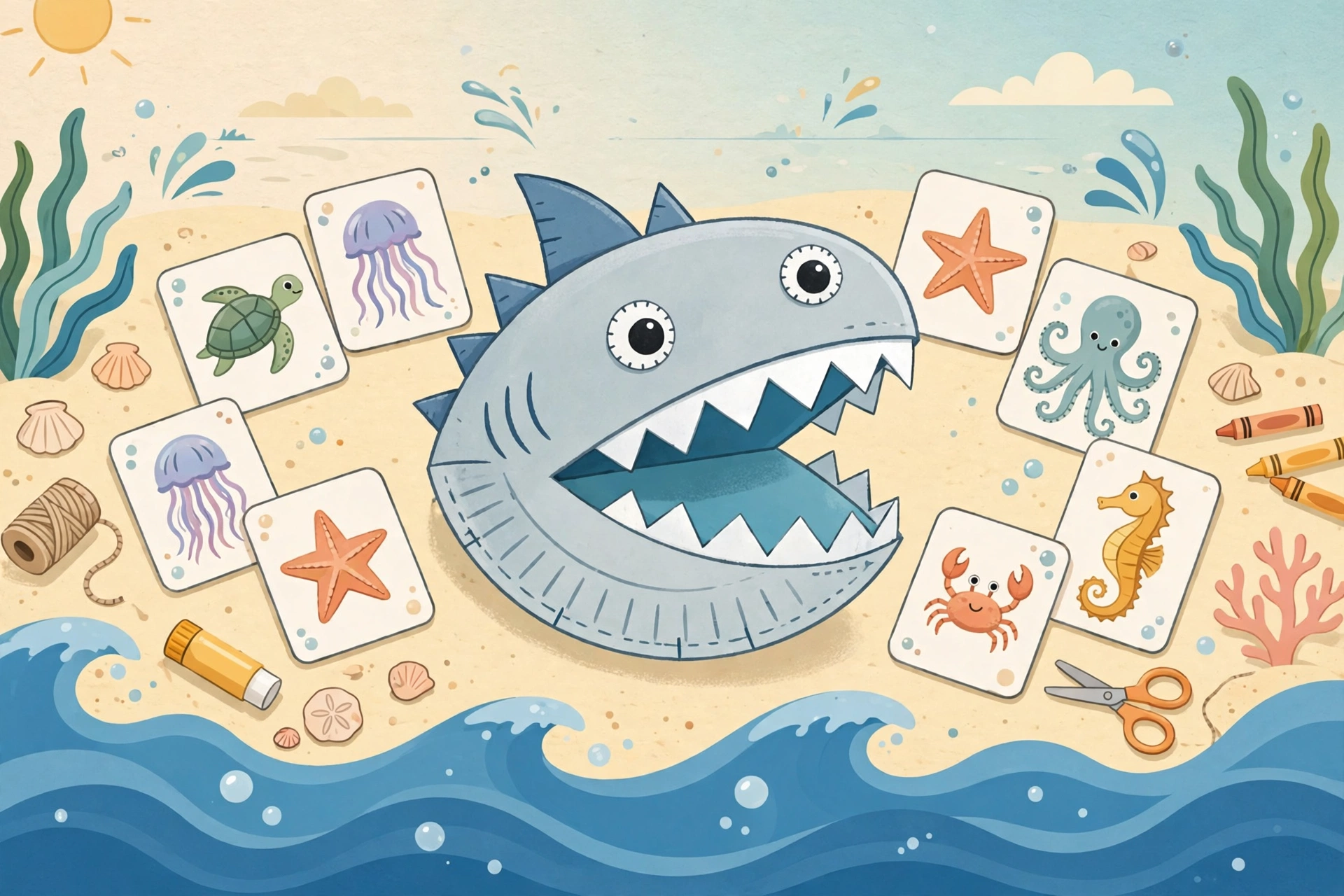
Shark Week is a summer stretch of shark-themed learning and fun. Focus on real shark facts, ocean habitats, and the sizes of different sharks, with crafts that let children show what they learned.
Shark Fact Cards
Research five sharks and turn facts into a card game the family can play.
You need: Cards, pens, age-appropriate shark books. Ages: 7–12.
- Choose five sharks and note one fact about each, such as size or food.
- Write each fact on a card with a drawing of the shark.
- Quiz each other and sort the cards from smallest to largest shark.
Paper Plate Shark Puppet
A paper plate becomes a shark with teeth, fins, and a moving jaw.
You need: Paper plates, gray and white paint, scissors, glue. Ages: 4–9.
- Cut a paper plate in half and paint the halves gray.
- Cut zigzag teeth from white paper and glue them along the cut edges.
- Add fins and eyes, then open and close the jaws like a puppet.
Shark Size Comparison
Some sharks are smaller than a child; others are longer than a bus. Measure the differences with tape on the floor.
You need: Measuring tape, masking tape, shark size facts from a book. Ages: 7–9.
- Mark the length of three sharks on the floor with tape.
- Lie down beside each mark to compare your height with each shark.
- Guess which shark is which, then check the book.
Super Bowl Activities: Games, Snacks, and Family Fun
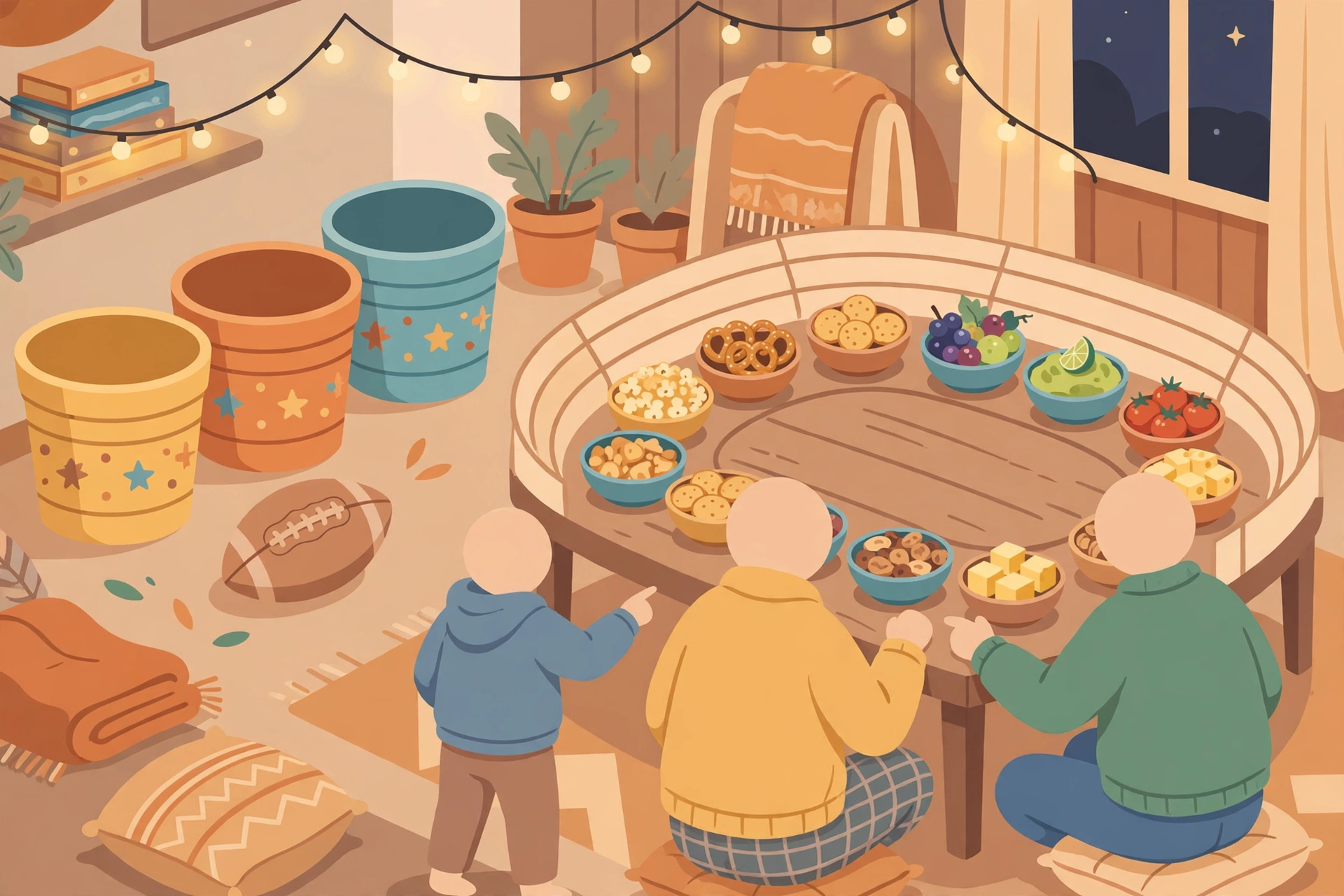
The Super Bowl, the championship game of American football, is played on a Sunday in February. Families gather for the game, the halftime show, and snacks. Give children their own games so everyone enjoys the evening.
Family Football Toss
A soft-ball toss keeps children active before and during the game.
You need: Soft football or beanbags, buckets or laundry baskets. Ages: 4–9.
- Set buckets at different distances and mark a throwing line.
- Take turns tossing the ball, scoring more for farther buckets.
- Play in teams and cheer every throw.
Snack Stadium
Build a snack table shaped like a stadium, with bowls of snacks arranged around a field.
You need: Snacks, bowls, a large tray or table, green paper. Ages: 4–12, with an adult handling hot food.
- Cover the table with green paper as the field.
- Arrange bowls of snacks around the edges like stadium seats.
- Let children serve themselves and tidy up together at halftime.
Halftime Show Performance
Children plan and perform their own halftime show during the break.
You need: Music, simple costumes or props, a clear space. Ages: 4–12.
- Plan a short show: a dance, a song, or a comedy skit.
- Rehearse once, then perform for the family at halftime.
- Applaud every performer and take a group photo.
How to Plan Holiday Activities All Year
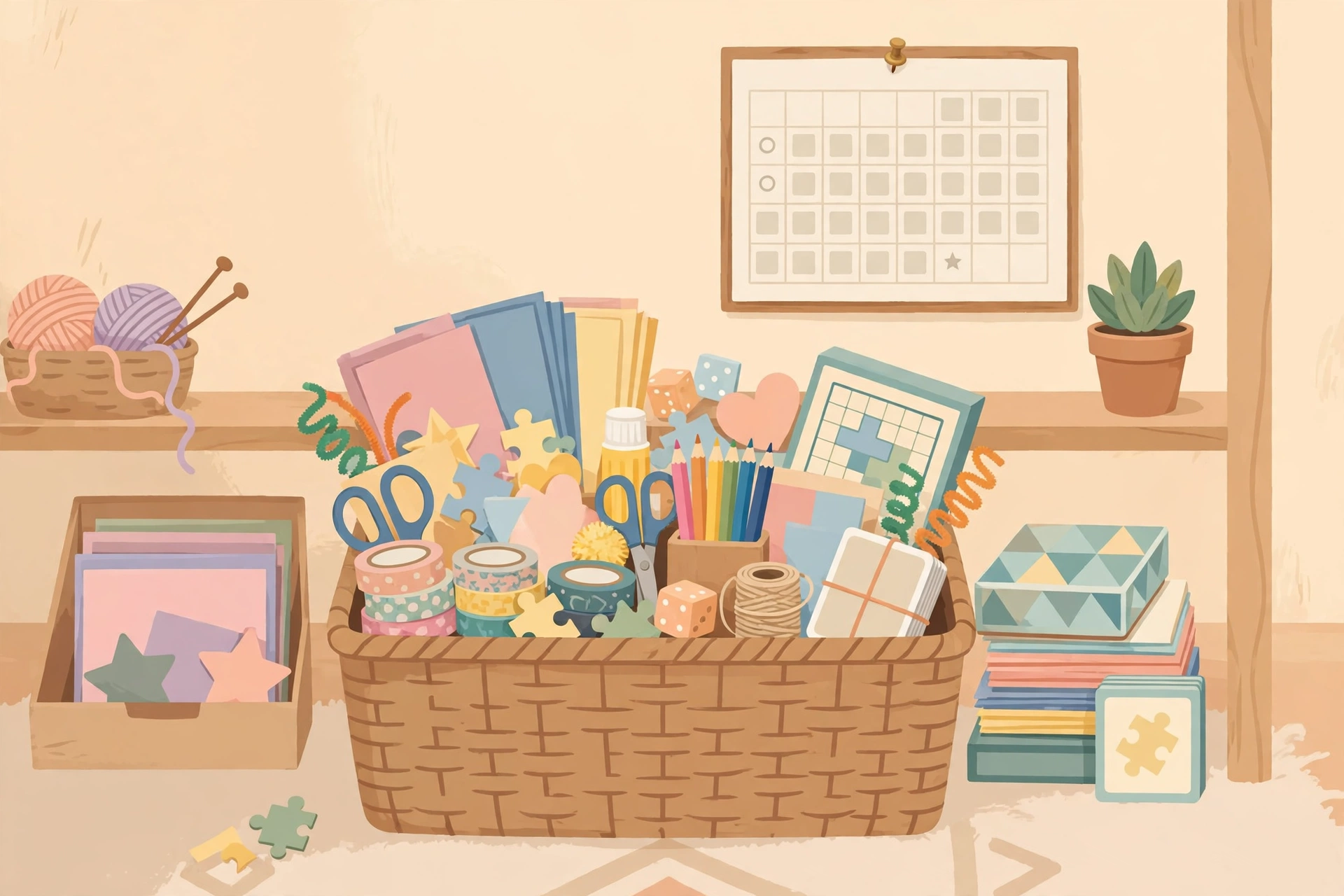
A little planning turns each holiday into an easy win. Keep a stocked bin, pick one main idea per occasion, and keep a backup ready. When weather keeps everyone inside, our guide to indoor activities for kids has games that work for any holiday weekend.
Holiday Bin Checklist
- Paper, crayons, markers, glue, tape, and scissors for adult use
- Cardstock, tissue paper, and paper plates for crafts
- Balloons, beanbags, and a soft ball for games
- Measuring tape, string, and a ruler for science and math ideas
- Cards, stickers, and envelopes for thank-you notes
A Simple Year-Round Rhythm
- One month ahead: pick the occasion and one main idea
- One week ahead: check the bin and buy only what is missing
- The day before: set out supplies and prep any food with an adult
- On the day: one main activity, one game, and one quiet wind-down
- Afterward: save photos, notes, and favorite crafts for next year
Holiday Activities by Season
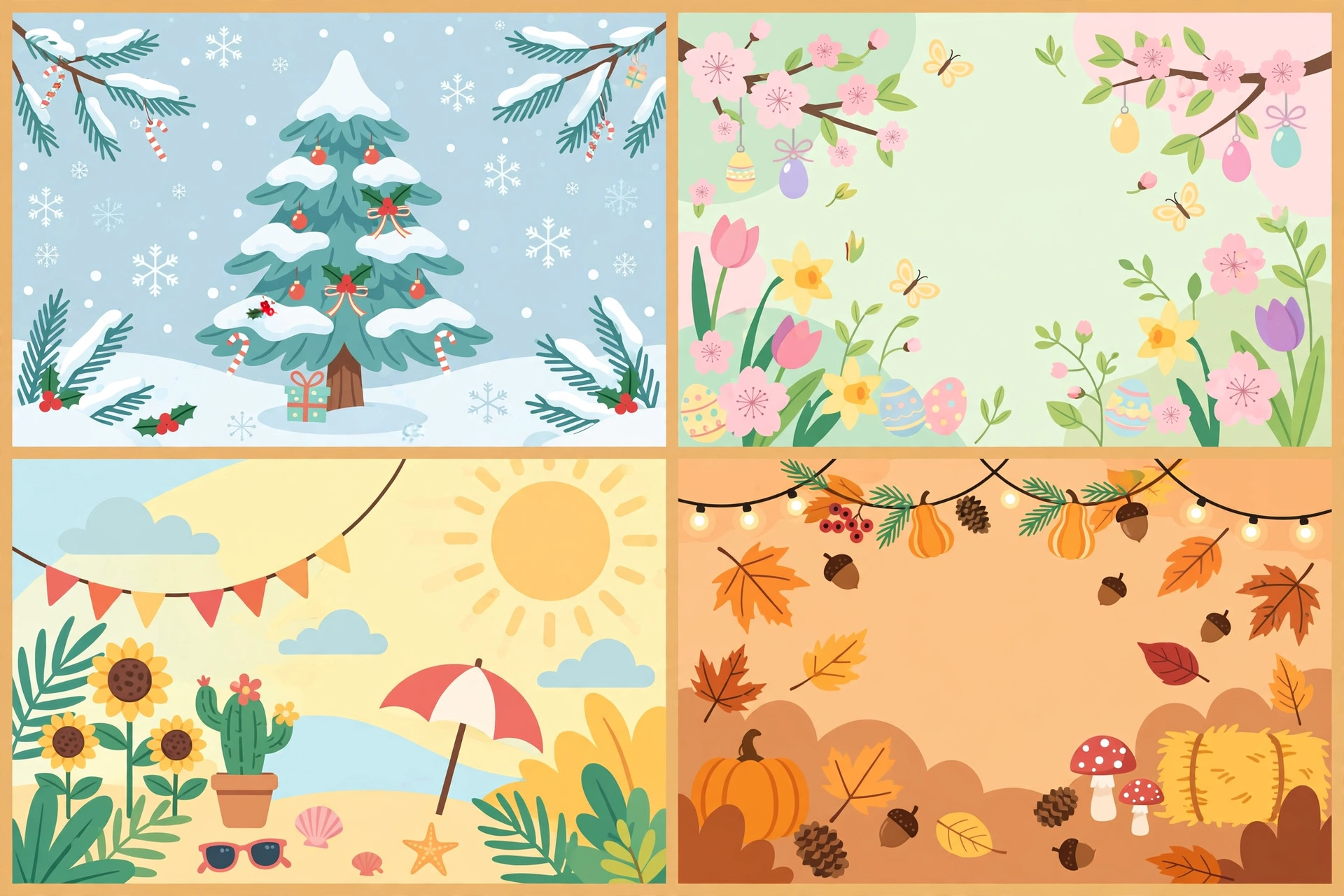
Winter brings New Year countdowns, Martin Luther King Jr. Day service, Valentine’s Day cards, Presidents Day quizzes, and Groundhog Day predictions. In December, find crafts, games, and party ideas on our Christmas activities for kids page.
Spring brings Easter egg hunts, Earth Day nature crafts, Pi Day pies, and Ramadan family traditions. Summer brings 4th of July parades, Shark Week learning, and Labor Day picnics. Fall brings Halloween crafts, Thanksgiving gratitude games, Veterans Day thanks, Day of the Dead remembrance, and Diwali lights.
Frequently Asked Questions About Holiday Activities for Kids
Short answers about planning, engagement, and types of seasonal ideas.
What are some good activity holidays for kids?
Groundhog Day, Pi Day, Presidents Day, Shark Week, and the Super Bowl all offer hands-on traditions: predictions, measuring, quizzes, crafts, and games. The best activity holidays mix making, moving, and learning, with one main idea and a simple backup.
How to engage kids during holidays?
Mix active, calm, and creative ideas in short blocks, and let children choose between two options. Involve them in setup and cooking, with an adult handling heat and sharp tools, and end with a quiet activity such as reading or drawing.
What activities do you do on holiday?
On a holiday, families often enjoy a themed craft, a game, cooking together, outdoor play, or a learning project matched to the occasion. Pick one main activity, add a game for energy, and keep a quiet backup ready for tired moments.
What are some fun holiday-themed activities for kids?
Match the theme to the occasion: shadow predictions for Groundhog Day, circle measuring and pie for Pi Day, shark crafts for Shark Week, and a football toss for the Super Bowl. Add themed snacks and a quiz to round out the day.
What are some types of holiday activities?
Common types include crafts, games, cooking, learning projects, service projects, outdoor play, and quiet reading. Rotate types across the day — a craft in the morning, a game after lunch, and a story to finish — so energy and attention stay balanced.