
Cultural Celebration Activities for Kids
Cinco de Mayo activities for kids open the door to learning about cultures and histories with respect — through crafts, games, stories, and food. This guide gathers separate ideas for each celebration, from Chinese New Year and Juneteenth to Diwali, Hanukkah, Kwanzaa, and Women’s History Month, so families can explore one tradition at a time.
Cinco de Mayo Activities for Kids: Crafts and Games
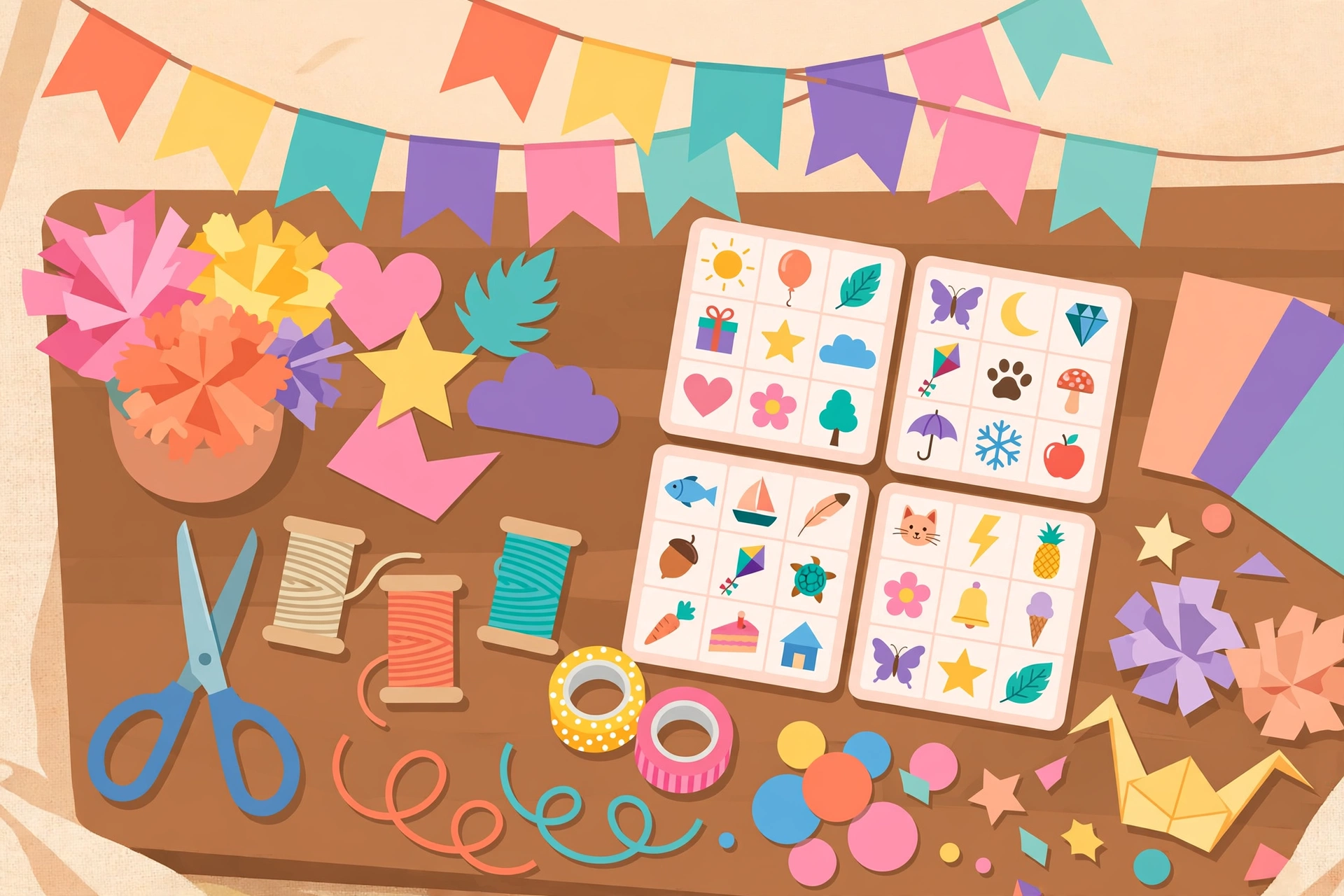
Cinco de Mayo, on May 5, commemorates the Battle of Puebla in 1862. Families mark the day with parades, music, dance, food, and learning about Mexican history and culture.
Papel Picado Banners
Papel picado is a traditional Mexican folk art of cut-paper banners.
You need: Tissue paper, scissors, string, tape. Ages: 7–9.
- Fold tissue paper in half, then in half again.
- Cut small shapes along the folds, with an adult nearby, then unfold and tape the banners to string.
Lotería Picture Bingo
Lotería is a well-known picture bingo game played in Mexico.
You need: Cardstock, markers, small counters such as dried beans. Ages: 4–9.
- Draw matching pictures on caller cards and player boards.
- One player calls a picture; others cover the match.
- The first player to cover a full row wins the round.
Tissue-Paper Flowers
Layer, fold, and fluff tissue paper into bright blooms for a table or wall.
You need: Tissue paper, pipe cleaners, scissors. Ages: 4–6.
- Stack four sheets and fold them back and forth like a fan.
- Tie the center with a pipe cleaner and pull the layers apart to form a flower, with adult help for cutting.
Cinco de Mayo Food and Party Ideas for Families
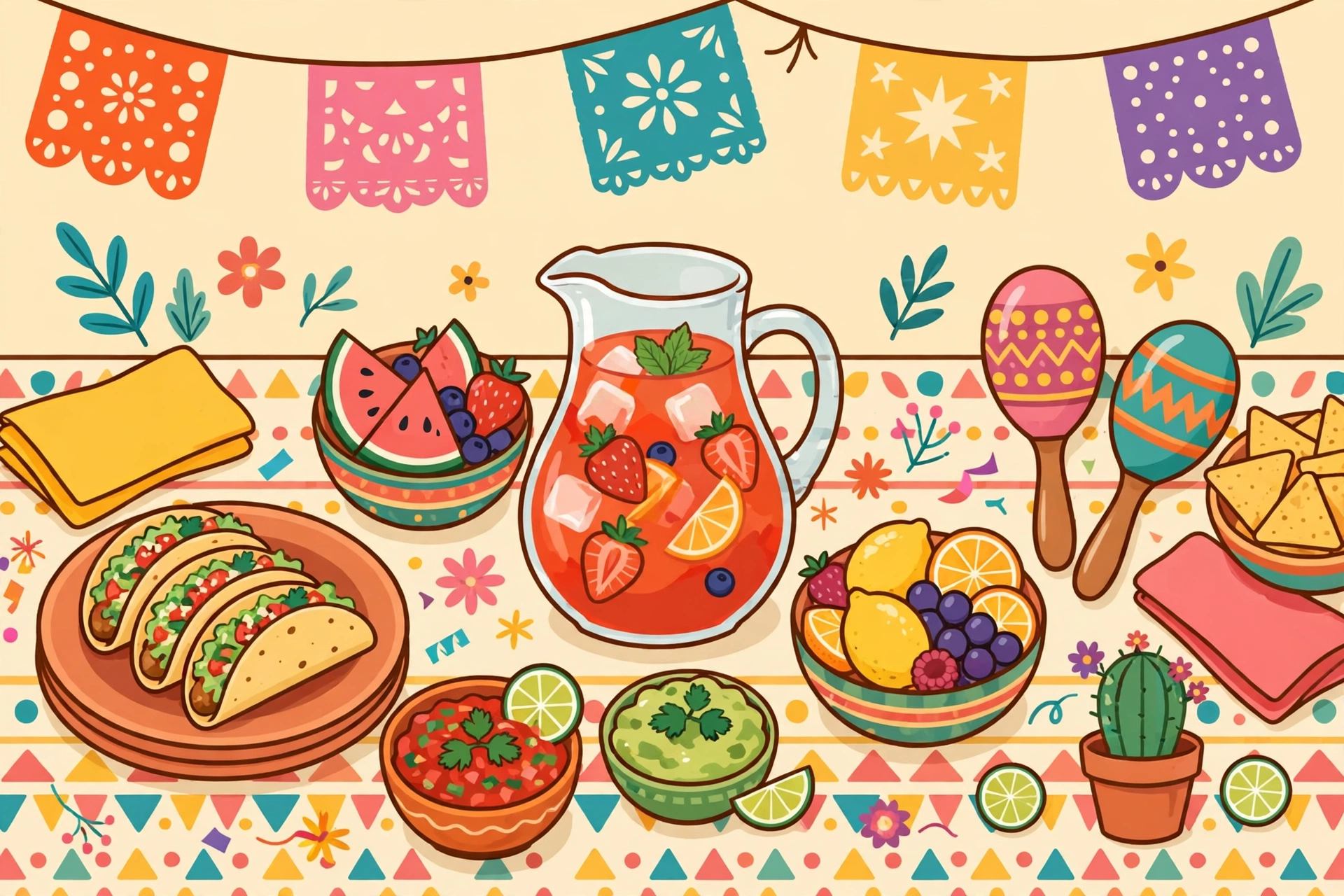
Food and music sit at the heart of many Cinco de Mayo gatherings. Keep cooking simple, let an adult handle heat and sharp tools, and pair snacks with music and games.
Build-Your-Own Tacos
Foods often shared on Cinco de Mayo include tacos, quesadillas, rice, beans, and fresh fruit drinks.
You need: Tortillas, cooked fillings, cheese, lettuce, tomatoes, fruit. Ages: 4–12, with an adult cooking.
- An adult cooks the fillings and sets out bowls of toppings.
- Children choose a tortilla and add their own fillings.
- Serve with fruit and water or a fruit drink.
Paper-Plate Maracas
Make simple shakers and play along to a favorite song.
You need: Two paper plates, dried beans, tape, markers. Ages: 4–6.
- Decorate the plates with bright patterns.
- Add beans and tape the plates together, with adult help.
- Shake in time to music, trying fast and slow rhythms.
Freeze Dance and Beanbag Toss
These party games suit a 5-year-old and older children alike.
You need: Music, beanbags or soft balls, a basket, clear space. Ages: 4–6.
- Dance to music; when it stops, everyone freezes in place.
- Toss beanbags into the basket from a marked line.
- Cheer every attempt and invent a new dance move each round.
Chinese New Year Activities: Lanterns, Dragons, and New Beginnings
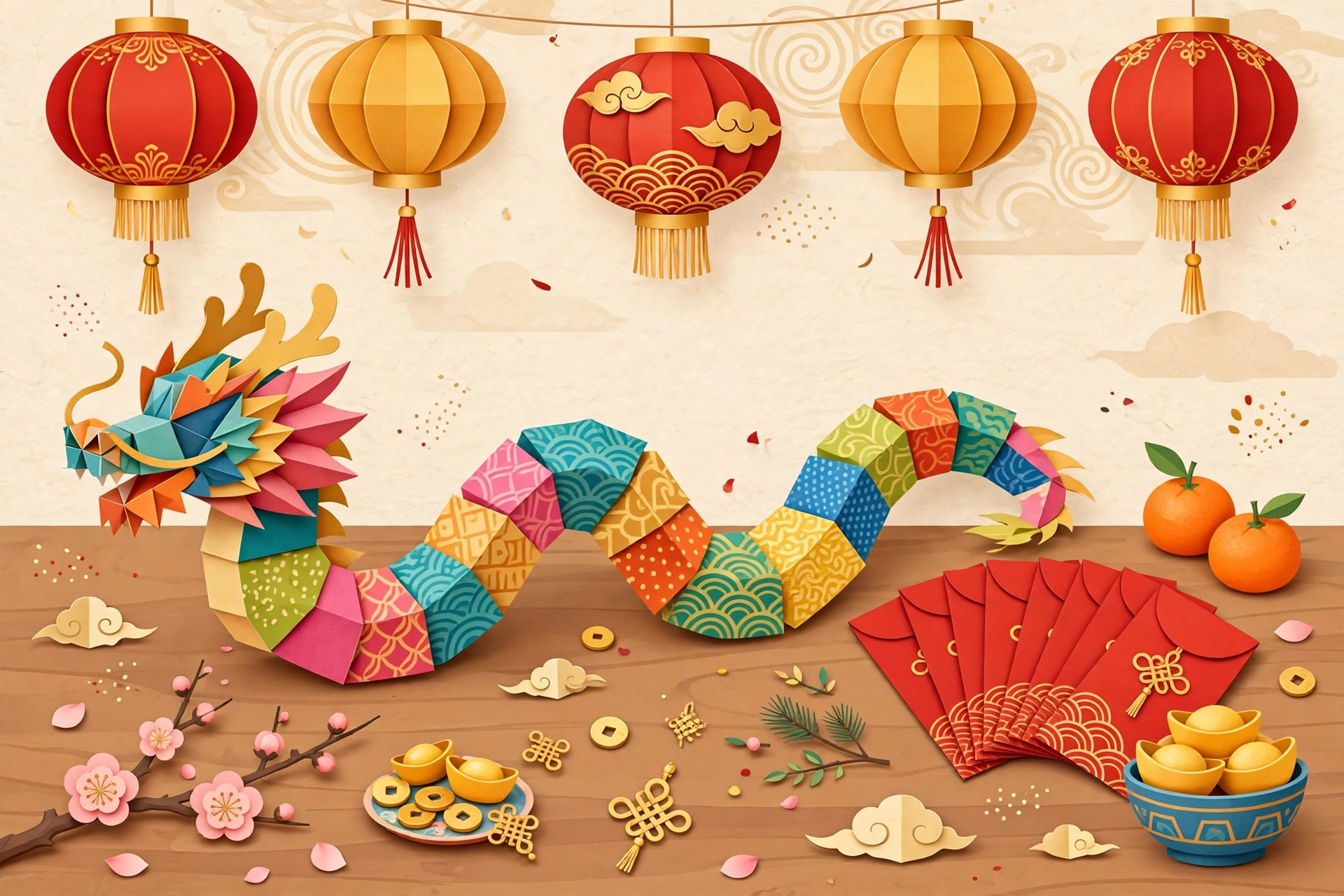
Chinese New Year follows the lunar calendar, so the date changes each year, usually in late January or February. Families gather, share meals, and enjoy lanterns and dragon dances.
Paper Lanterns
Make a simple round lantern from red and gold paper.
You need: Red and gold paper, scissors, tape, string. Ages: 4–9.
- Fold paper in half and cut slits from the fold, stopping short of the edge.
- Unfold, roll into a tube, tape the edges, and add a paper handle to hang.
Dragon Puppet Parade
Make a paper dragon and lead a parade around the house or yard.
You need: Joined sheets of paper, paint or markers, sticks, tape. Ages: 7–9.
- Paint a long dragon body and a head with eyes and teeth.
- Tape sticks underneath so children can carry it, then parade to music, weaving gently.
Juneteenth Activities: Learning, Reflection, and Celebration
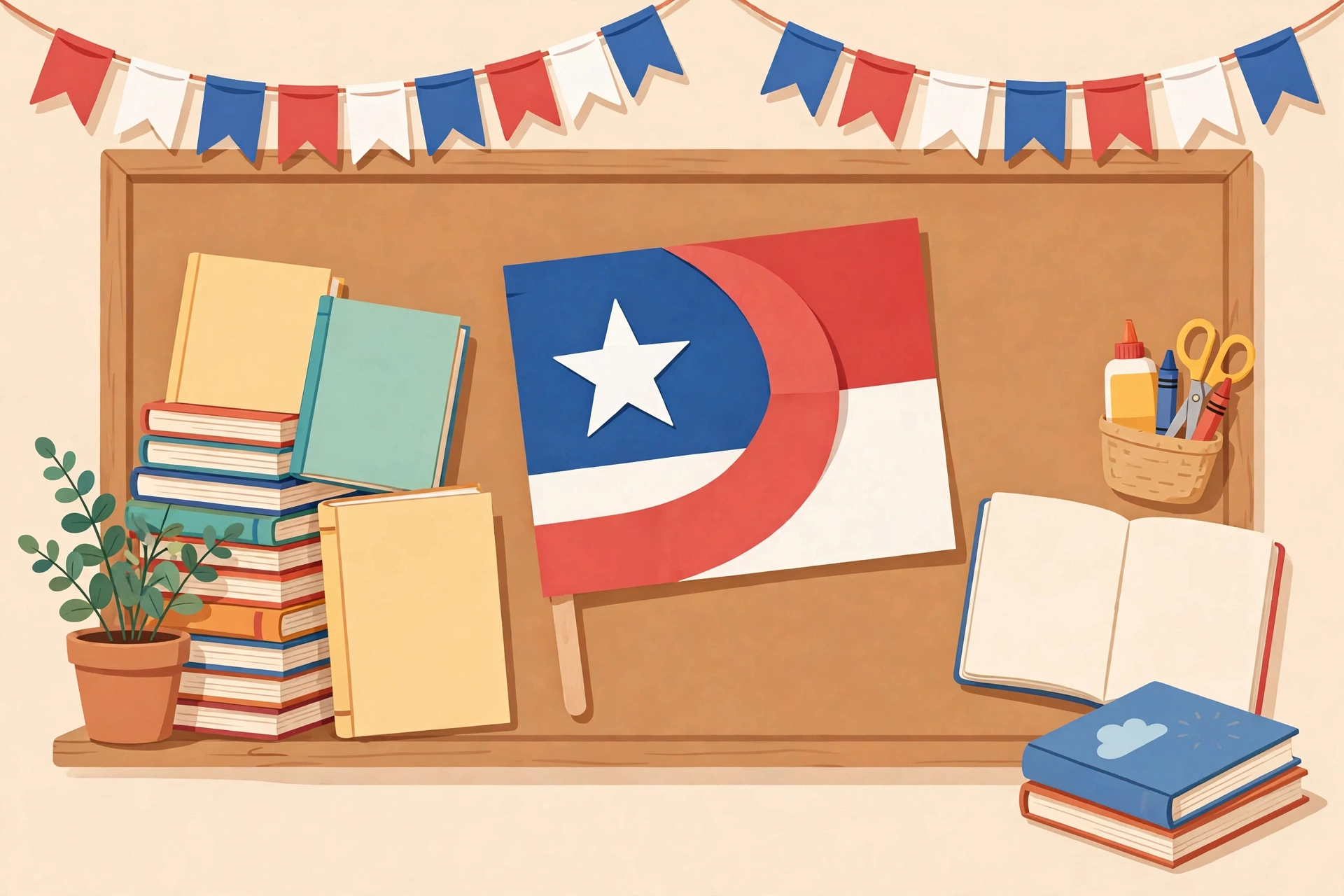
Juneteenth marks June 19, 1865, when enslaved people in Texas learned of emancipation. It is a day of remembrance, joy, learning, and community.
Juneteenth Timeline
A simple timeline helps older children place the day in history.
You need: Long paper, markers, age-appropriate books about Juneteenth. Ages: 7–12.
- Draw a line and mark June 19, 1865, as the key date.
- Add events from the books you read, in your own words.
- Hang the timeline where the family can see it and add to it.
Flag Craft and Community Poster
Make a flag craft in red, white, and blue.
You need: Paper, red and blue crayons, star stickers, glue. Ages: 4–6.
- Color a flag design and add a star in the center.
- Write or dictate one hope for your community on the poster.
- Display the poster and read each hope aloud together.
Día de los Muertos and Day of the Dead Activities: Remembrance Crafts
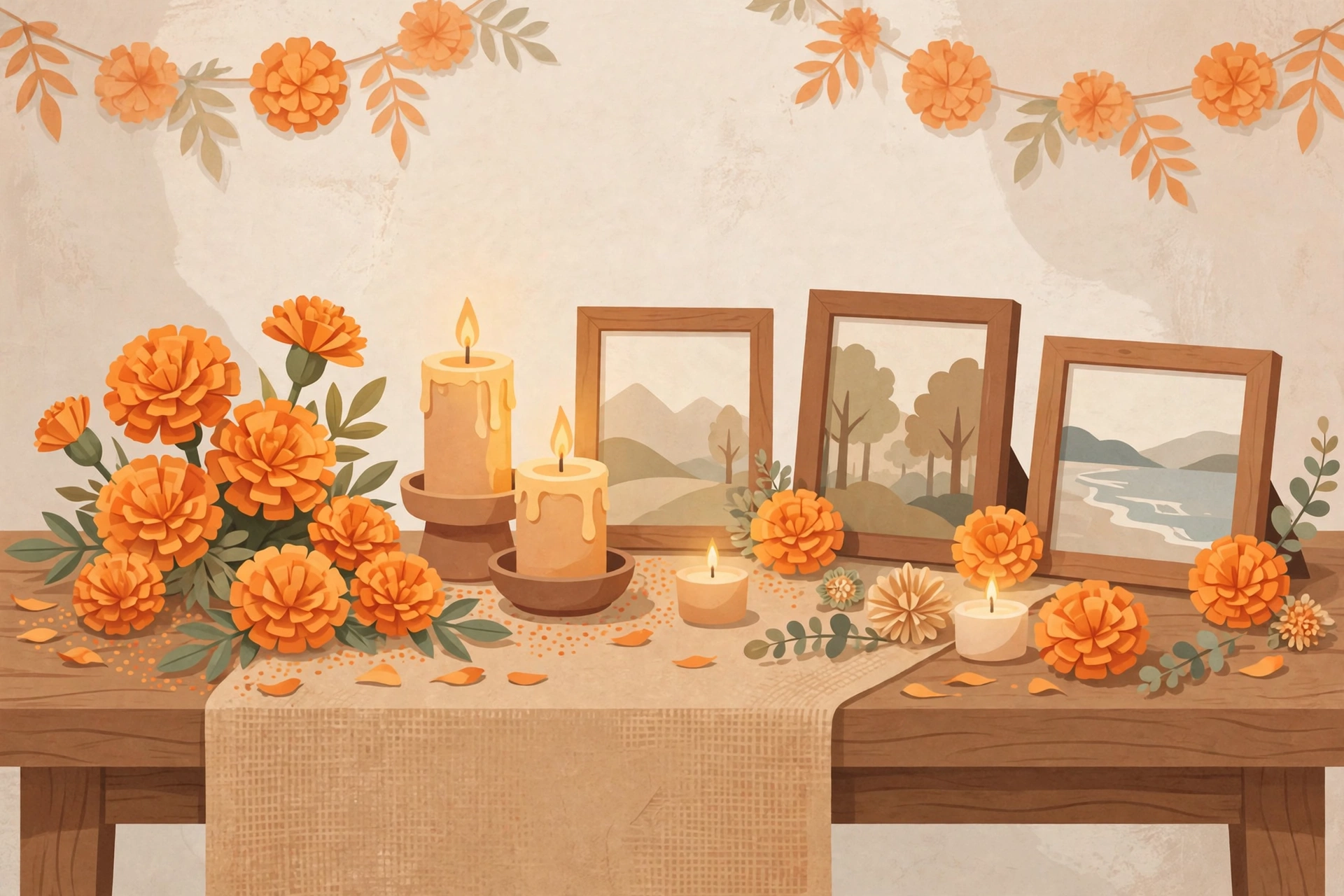
Día de los Muertos, or Day of the Dead, is observed on November 1 and 2, when many families in Mexico and the United States remember loved ones who have died. Marigolds, candles, and photographs appear on ofrendas, or remembrance displays.
Marigold Paper Flowers
Marigolds, with their bright orange color, are the flower most linked to the holiday.
You need: Orange and yellow tissue paper, green paper, scissors, glue. Ages: 4–9.
- Cut circles from tissue paper and layer four or five together.
- Scrunch the layers upward to form petals, then glue on a green stem and leaves.
Memory Cards and Remembrance Display
A family display gives children a calm way to remember.
You need: Photos or drawings, cards, pens, marigold paper flowers. Ages: 7–12.
- Choose a photo or draw a picture of a loved one to remember.
- Write one happy memory on a card.
- Place the photo, card, and flowers together and share memories as a family.
Diwali Activities: Lights, Colors, and Family Traditions
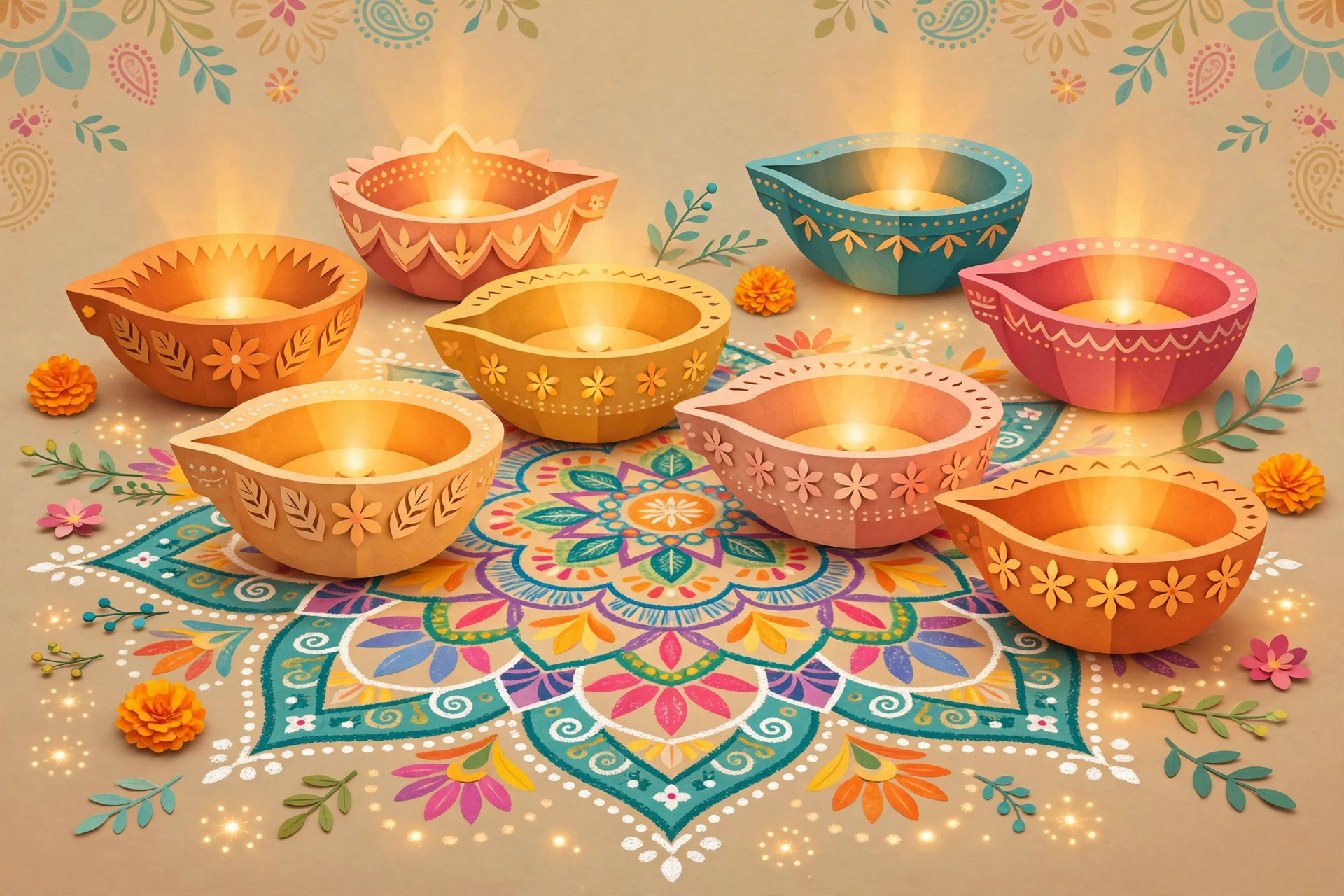
Diwali, the festival of lights, is celebrated by many Hindu, Jain, Sikh, and some Buddhist families, usually in autumn. Homes glow with small oil lamps called diyas, and rangoli patterns brighten doorways.
Paper Diyas With Battery Lights
Decorate paper diyas for a window display. Use battery tea lights only — real flames stay away from paper crafts.
You need: Paper cups or cardstock, paint, stickers, battery tea lights. Ages: 4–9.
- Fold cardstock into a small bowl shape, or decorate a paper cup.
- Paint bright patterns, add stickers, and place a battery tea light inside.
Rangoli Chalk Patterns
Rangoli patterns use symmetry and bright color to welcome guests.
You need: Sidewalk chalk, dark paper. Ages: 7–9.
- Draw a center circle, then add rings of petals, dots, and curves.
- Fill each section with a different color, then photograph the pattern.
Hanukkah Activities: Dreidels, Lights, and Games
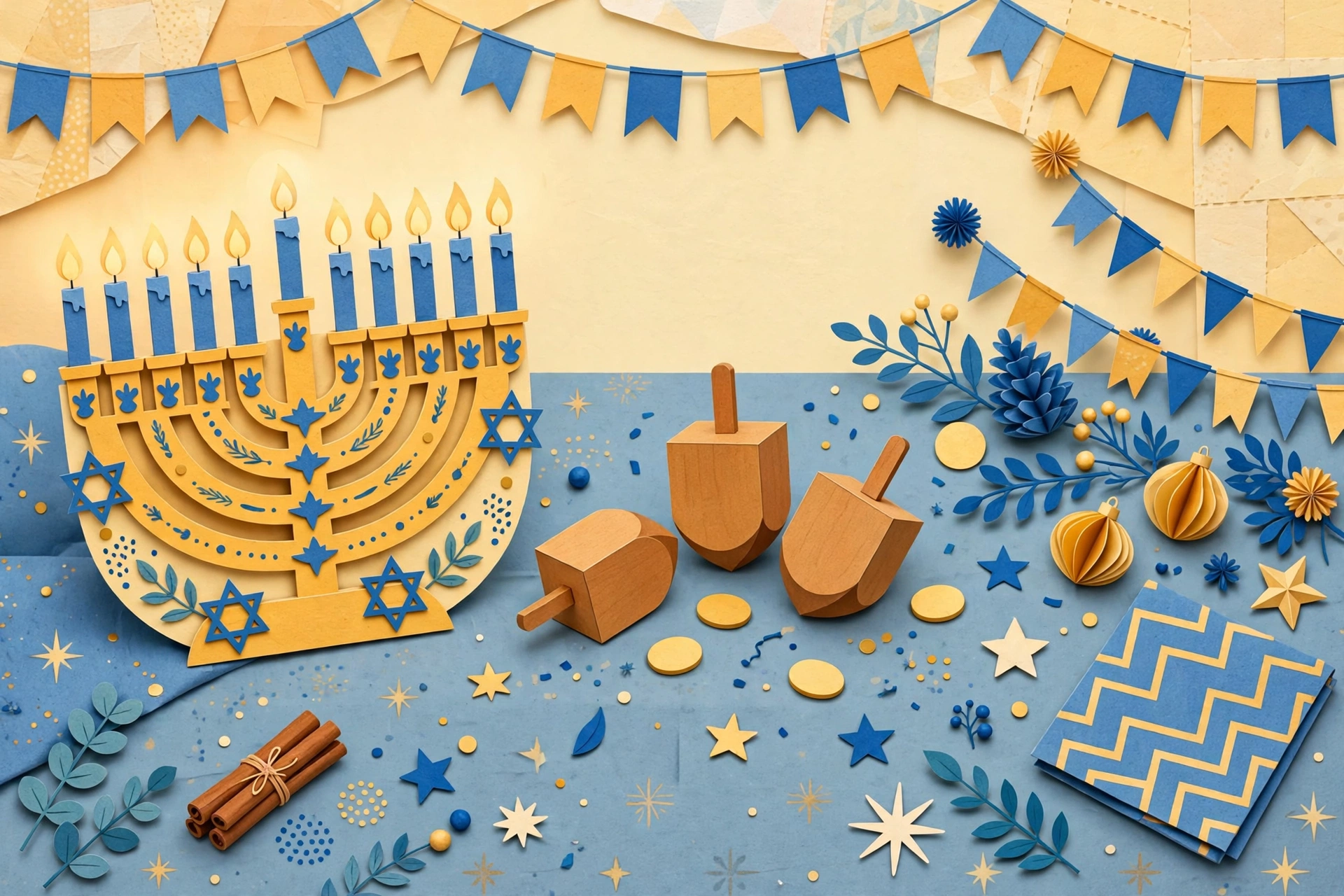
Hanukkah is an eight-night Jewish holiday, usually in late November or December. Families light the menorah, adding one candle each night, play dreidel games, and share foods such as latkes.
Paper Dreidels and Spinning Game
A dreidel is a four-sided spinning top used in a traditional Hanukkah game.
You need: Cardstock, markers, pencils, small counters such as raisins. Ages: 4–9.
- Fold and tape a cardstock cube, then push a short pencil through the center.
- Mark each side with a symbol, agree on rules, and take turns spinning.
Handprint Menorah
A handprint menorah helps younger children count the eight nights. An adult lights any real candles.
You need: Large paper, paint, paper flames, glue. Ages: 2–3, with an adult nearby.
- Paint each hand and press handprints side by side to form candle shapes.
- Glue a paper flame above each print, adding one per night.
- Hang the menorah where the family gathers each evening.
Passover Activities: Story, Symbols, and Family Time
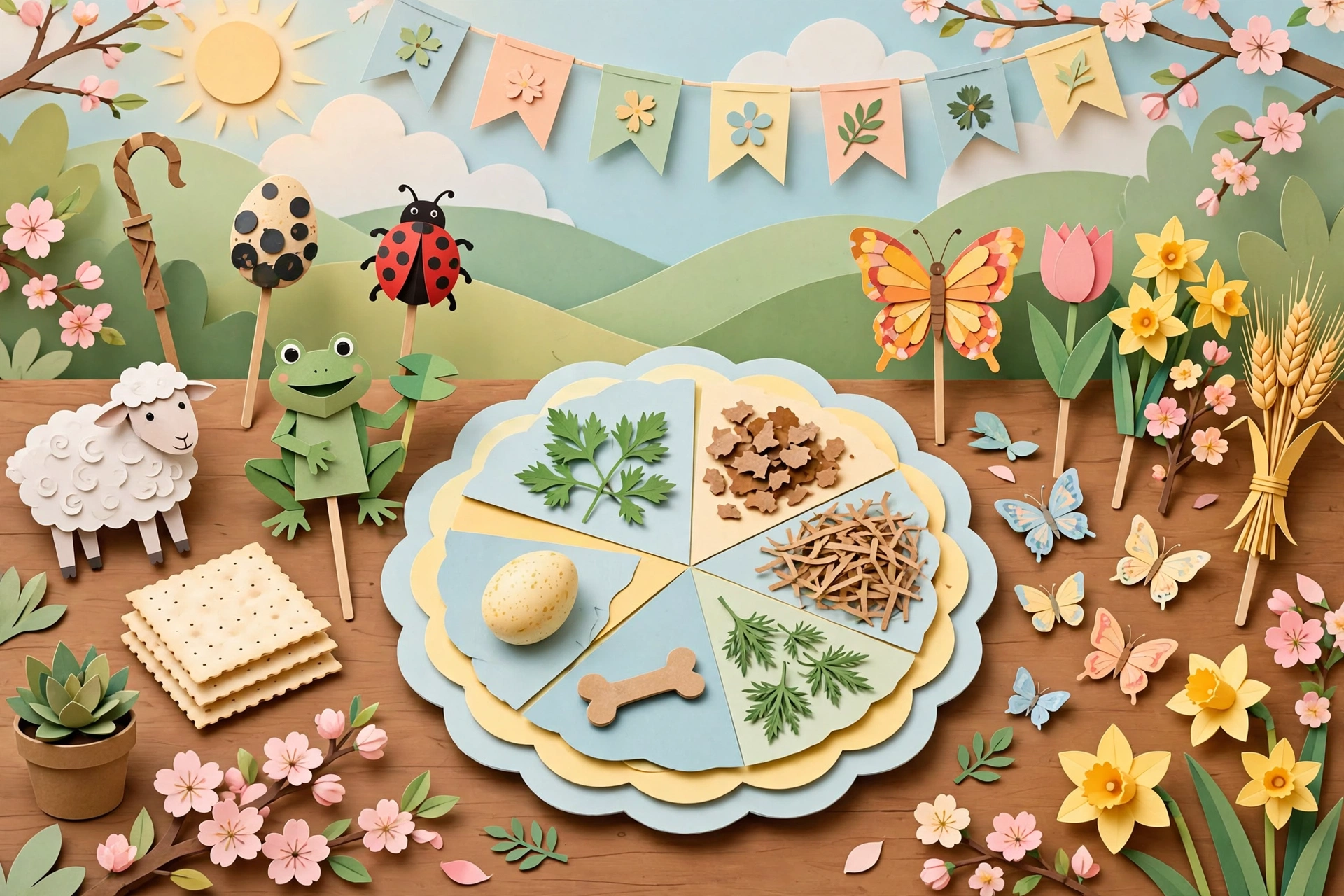
Passover is a spring Jewish holiday that retells the Exodus story — the journey from slavery in ancient Egypt to freedom. Families gather for a seder meal with symbolic foods and songs.
Seder Plate Craft
A paper seder plate helps children learn the layout of the meal.
You need: Large paper plate, markers, small paper circles, glue. Ages: 4–6.
- Glue six small circles around the plate to mark the sections.
- Draw or label one symbolic food in each section, with an adult explaining each one.
- Use the plate at the table as a guide while the story is told.
Exodus Story Puppets
Paper puppets let children retell the journey in their own words.
You need: Paper bags or craft sticks, paper, markers, glue. Ages: 7–9.
- Make puppets for the people in the story, with simple faces and robes.
- Plan three scenes: the journey, the crossing, and the arrival.
- Perform the scenes and talk about what freedom means.
Kwanzaa Activities: Principles, Crafts, and Togetherness
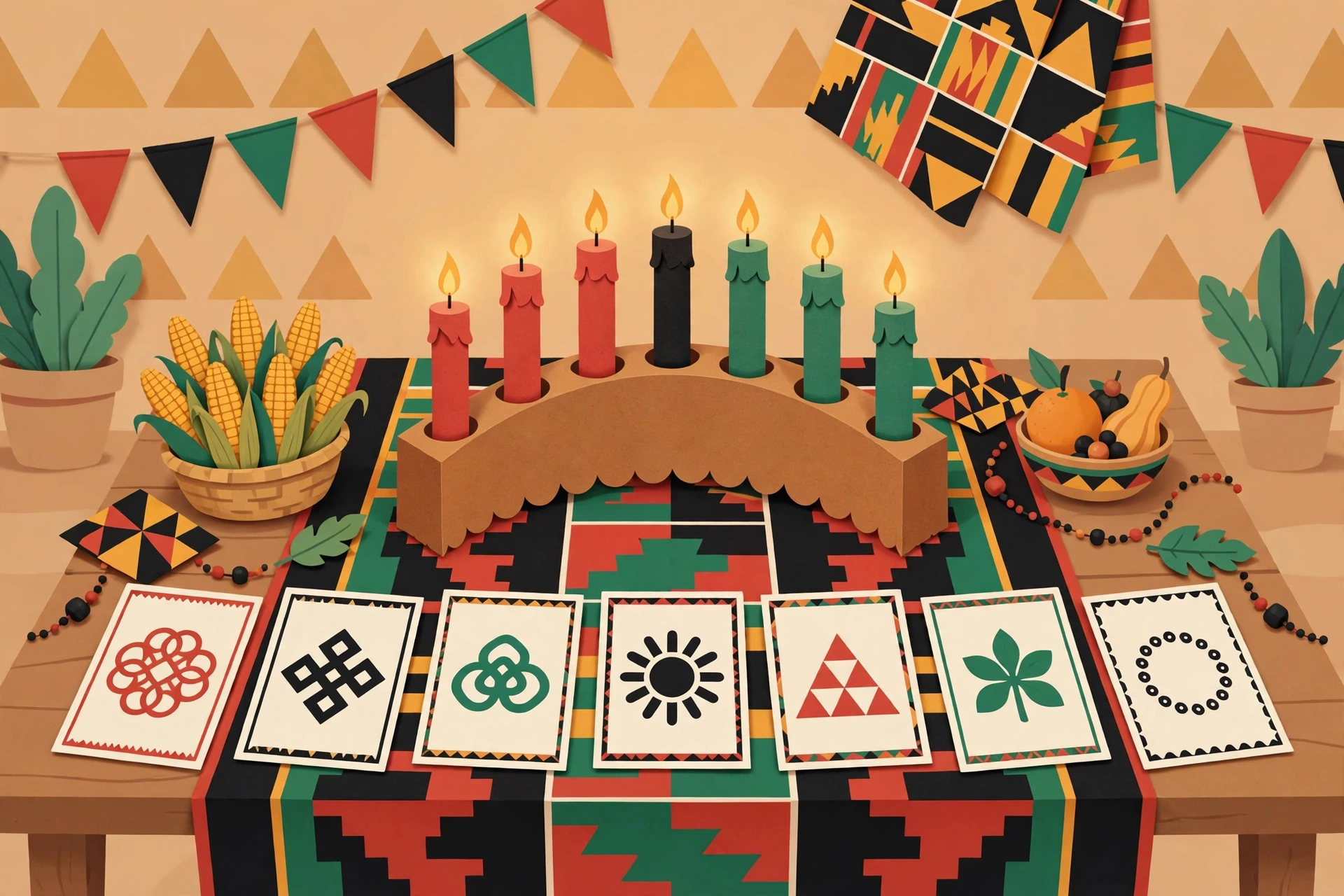
Kwanzaa is observed from December 26 to January 1 and honors African heritage and community values. Each day highlights one of seven principles, and families light the kinara.
Paper Kinara
The kinara holds seven candles — red, black, and green.
You need: Cardstock, red, black, and green paper, glue, scissors. Ages: 4–9.
- Cut a long base and seven candle shapes, with adult help for cutting.
- Glue the candles in a row — black in the center, red on one side, green on the other — and add one paper flame each day.
Seven Principles Cards
Each day highlights one principle: Unity, Self-Determination, Collective Work and Responsibility, Cooperative Economics, Purpose, Creativity, and Faith.
You need: Seven cards, pens, crayons. Ages: 7–12.
- Write one principle on each card and draw a picture to match it.
- Add one kind act your family can do that shows the principle.
- Read one card aloud each day and try the act together.
Mardi Gras Activities: Parades, Masks, and Music
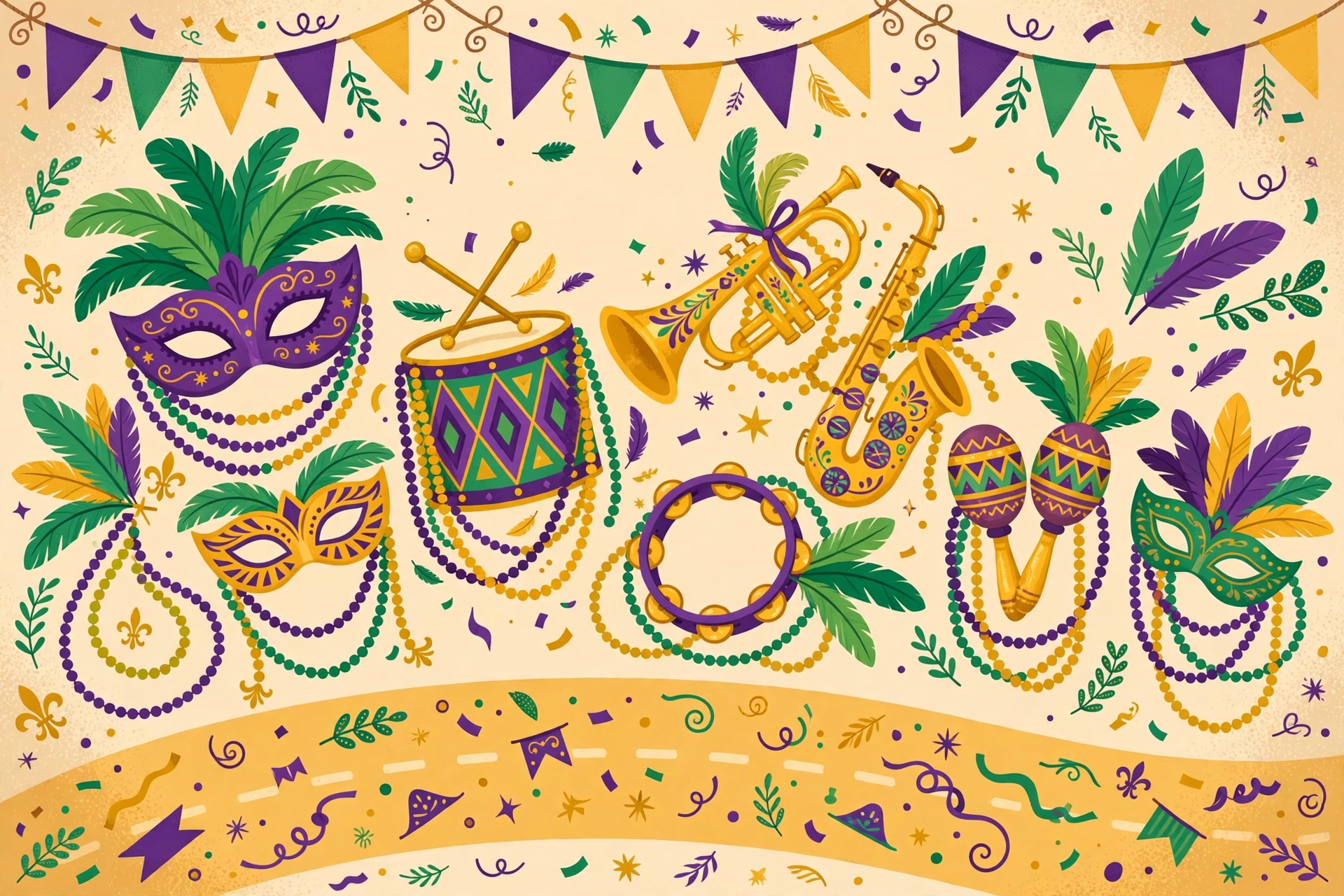
Mardi Gras, French for “Fat Tuesday,” falls the day before Lent and is famous for parades, marching bands, and beads in purple, green, and gold. A ring-shaped king cake is a well-known treat.
Parade Masks
Masks in parade colors are the classic Mardi Gras craft. Keep small beads away from toddlers.
You need: Cardstock, feathers or paper strips, glue, ribbon or sticks. Ages: 4–9.
- Cut a mask shape and eye holes, with adult help.
- Glue on feathers and bright patterns, then attach ribbon or a stick handle.
Mini Parade With Music
Turn a hallway or yard into a parade route with music and shakers.
You need: Masks, shakers or drums, music, a clear route. Ages: 2–3, with an adult nearby.
- Mark a parade route with tape and line up in order.
- March along the route to music, waving and shaking instruments.
- Finish with a group bow and a shared snack.
MLK Day Activities: Service, Dreams, and Community
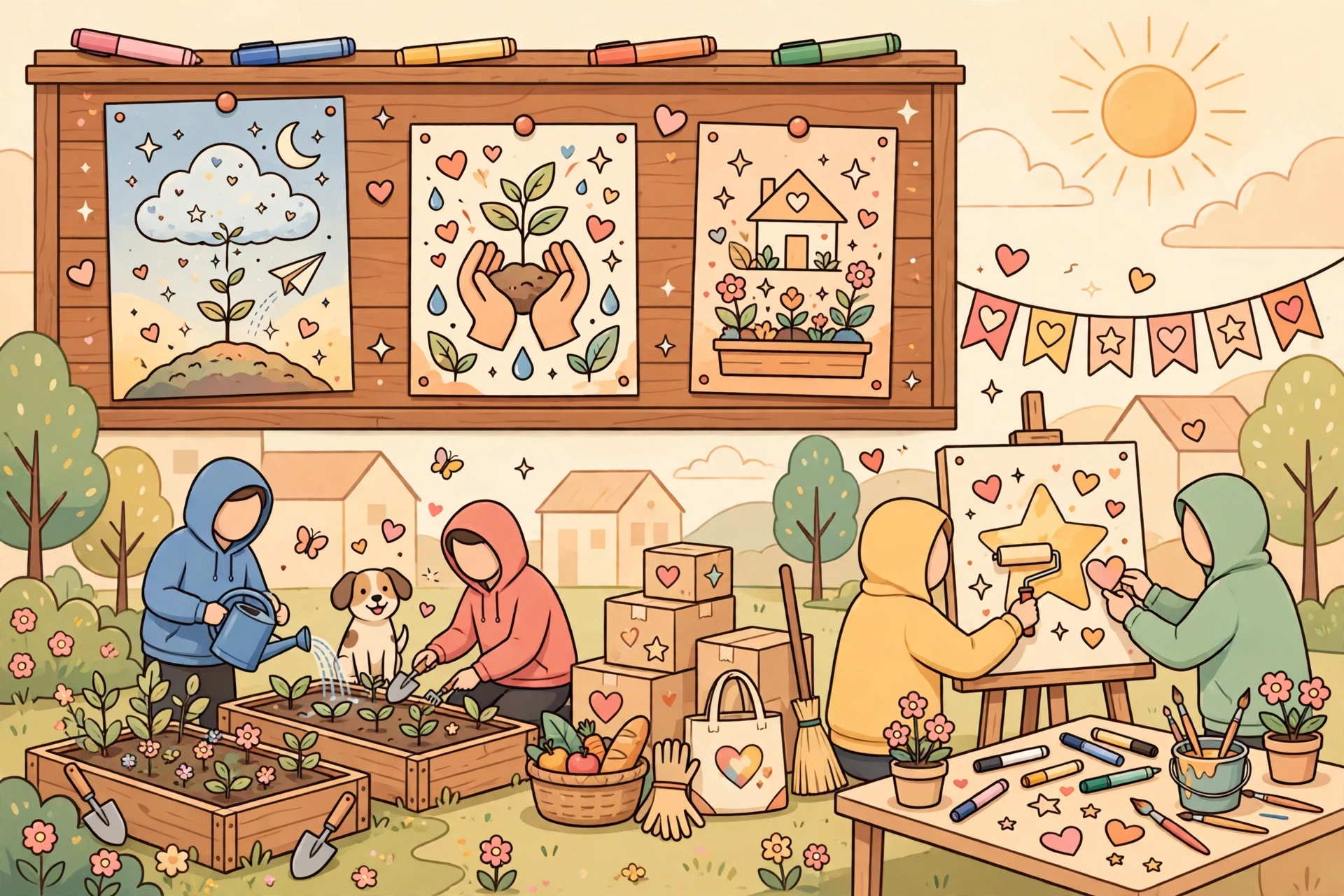
Martin Luther King Jr. Day, on the third Monday in January, honors Dr. King and his work for civil rights through nonviolent action. Many families mark it as a day of service.
“I Have a Dream” Poster
Children can share their hopes for their school and neighborhood on a poster.
You need: Large paper, markers, crayons. Ages: 4–9.
- Talk about a dream for your community, such as kinder playgrounds or cleaner parks.
- Draw the dream, write one sentence about it, and display the poster.
Day of Service Project
Choose one small service project the whole family can finish in a morning.
You need: Supplies for the chosen project, such as bags, gloves, or card-making materials. Ages: 7–12.
- Pick a project: make cards for neighbors, sort donations, or tidy a shared space.
- Work together for a set time, with an adult guiding each task.
- Talk afterward about what helped and what to do next time.
Hispanic Heritage Month Activities: Stories, Art, and Music
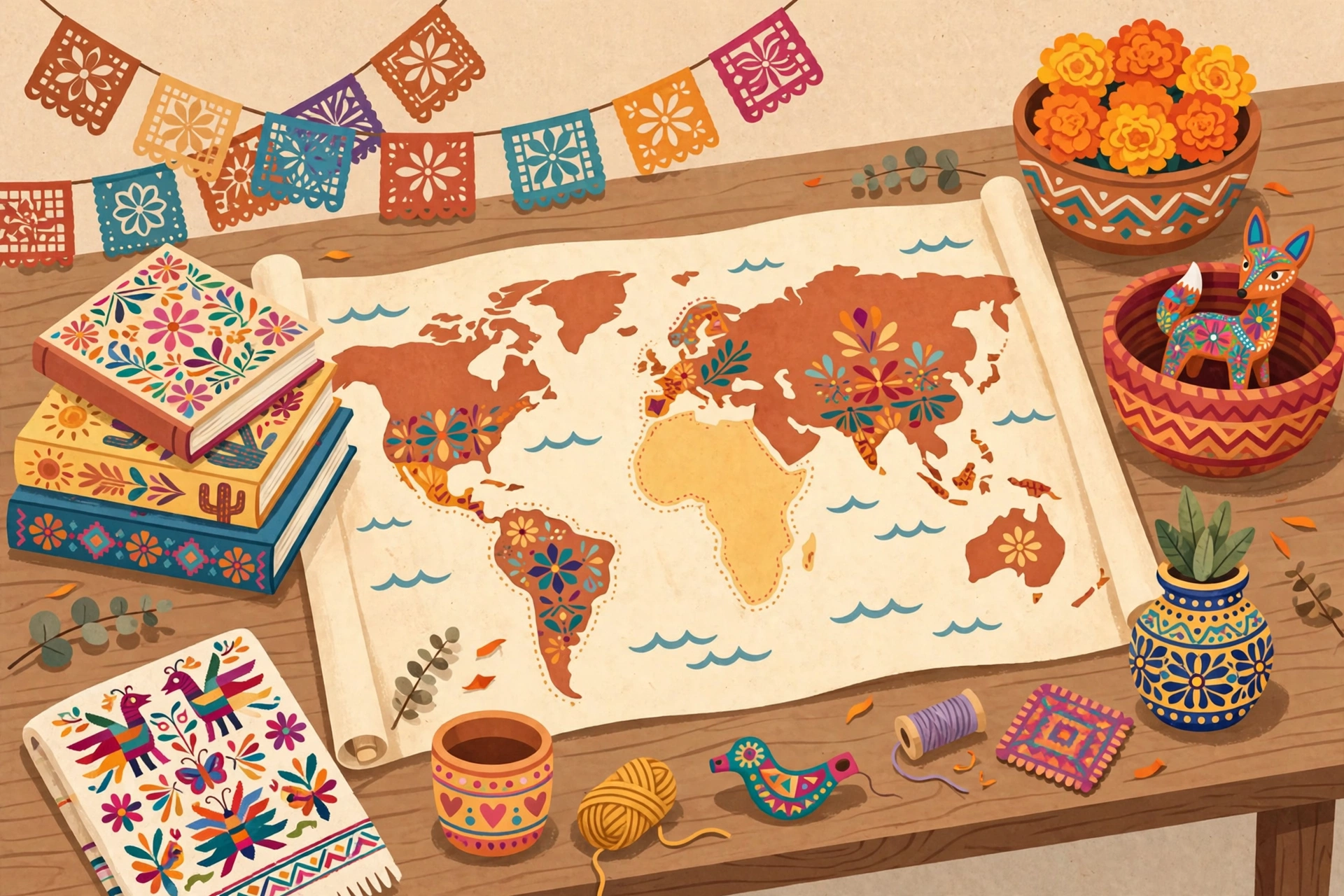
Hispanic Heritage Month runs from September 15 to October 15 and honors the histories, cultures, and contributions of Hispanic and Latino communities in the United States.
Story and Map Exploration
Read picture books together, then find each setting on a map.
You need: Picture books by Hispanic and Latino authors, a map or globe, sticky notes. Ages: 7–9.
- Read one picture book and talk about the story and its setting.
- Mark the setting on the map with a sticky note.
- Add a new note for each book and review the map at month’s end.
Guatemalan Worry Dolls
Worry dolls are a folk tradition from Guatemala. Children tell a small doll their worries, then place it under a pillow.
You need: Wooden clothespins, yarn, small fabric scraps, glue. Ages: 7–9.
- Wrap yarn around a clothespin to form a tiny body and head.
- Add fabric scraps for clothes and draw a simple face.
- Tell the doll a worry, place it under a pillow, and talk about the worry together in the morning.
Women’s History Month Activities: Trailblazers and Timelines
Women’s History Month, in March, honors women’s contributions to history, science, art, sports, and public life. Help children meet trailblazers through biographies, timelines, and interviews.
Trailblazer Timelines
A timeline shows what each woman did and when she did it.
You need: Paper, markers, age-appropriate biographies. Ages: 7–12.
- Choose three women from different fields, such as science, art, and sports.
- Read a short biography of each one, note two key dates, and build a timeline.
Interview a Woman You Admire
An interview turns history into a personal story.
You need: Paper, pens, a notebook for notes, with the interviewee’s permission. Ages: 10–12.
- Write five questions about the person’s life, work, and advice.
- Ask the questions, take notes, and thank the person for their time.
- Turn the answers into a poster with a portrait and a favorite quote.
Frequently Asked Questions About Cinco de Mayo Activities for Kids
Short answers about Cinco de Mayo crafts, games, food, and traditions.
What are some fun games to play to celebrate Cinco de Mayo?
Lotería picture bingo, freeze dance, beanbag toss, and a maraca parade all work well. The same games suit a family party: keep rounds short and pair games with music.
What are some fun and Mexican-themed activities for kids?
Choose activities that help children learn about Mexican culture with respect: papel picado banners, tissue-paper flowers, lotería, folk music and dance, and a shared meal with an adult cooking. Skip costumes that stereotype; focus on learning together.
What are some creative craft ideas for Cinco de Mayo?
Try papel picado banners, tissue-paper flowers, paper-plate maracas, and bright table decorations in the colors of the Mexican flag. Each craft uses simple supplies.
What are some fun party game ideas for a 5-year-old?
Freeze dance, beanbag toss, musical spots, and simple picture lotería suit 5-year-olds. Keep rules to one or two steps, play short rounds, and let the guest of honor choose a favorite to repeat.
What games do Mexican children play?
Lotería is a well-known game in Mexico — a picture bingo played with cards and counters that families enjoy together. Children also enjoy the party games in this guide, such as freeze dance and beanbag toss, for mixed ages.
What foods are eaten on Cinco de Mayo?
Foods often shared include tacos, quesadillas, rice, beans, salsas, and fresh fruit drinks. Let an adult handle heat and sharp tools, and adapt dishes to tastes and food allergies.
What are the traditional activities and traditions celebrated on Cinco de Mayo?
Parades, music, folk dance, food, and decorations mark the day, along with learning about the Battle of Puebla in 1862. Families gather, share meals, and enjoy crafts and games that honor Mexican history and culture.
What are some simple Mexican crafts for kids?
Simple crafts include papel picado banners, tissue-paper flowers, and paper-plate maracas. Each needs only paper, scissors, and glue, with adult help for cutting.